
How to Document Clinical Training Hours and Build Healthcare Experience Through Online Medical Assistant Training
Why Clinical Training Hours Matter
If you're planning a career in healthcare, clinical experience is one of the most valuable assets you can build. Whether your goal is becoming a medical assistant, physician assistant, nurse, physician, or another healthcare professional, documenting clinical training hours can help demonstrate hands-on patient exposure and healthcare experience.
Many students ask:
How do I document clinical training hours?
What counts as healthcare experience?
Can online medical assistant training help me gain clinical experience?
How do I track hours for future healthcare applications?
The good news is that medical assistant training can provide a structured pathway for building healthcare knowledge, clinical exposure, and professional experience.
What Are Clinical Training Hours?
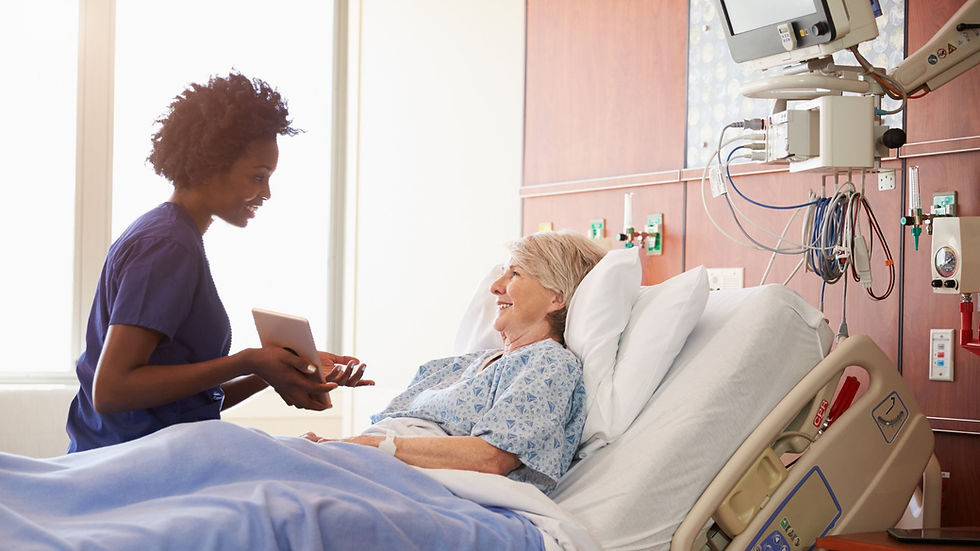
Clinical training hours are documented hours spent observing, assisting, or participating in healthcare-related activities within a clinical environment.
These hours may include:
Patient intake
Vital signs
Medical documentation
Clinical observations
Infection control procedures
Patient communication
Administrative healthcare tasks
Clinical workflow support
Healthcare schools and employers often value clinical experience because it demonstrates familiarity with patient care environments.
Why Healthcare Experience Is Important
Healthcare experience helps students:
Develop confidence in clinical settings
Understand healthcare workflows
Improve communication skills
Learn professionalism
Strengthen applications for healthcare programs
Build competitive resumes
Students who gain healthcare experience early often feel more prepared when transitioning into advanced healthcare education or employment.
Can Online Medical Assistant Training Help Build
Healthcare Experience?
Yes.
A quality online medical assistant program provides foundational healthcare knowledge and can help students prepare for real-world clinical environments.
Students learn topics such as:
Medical terminology
Anatomy and physiology
Infection control
Patient care fundamentals
Medical documentation
Healthcare communication
Clinical procedures
This training creates a strong foundation before entering an externship or healthcare setting.
How to Document Clinical Training Hours
Proper documentation is important for both employment and future educational opportunities.
Students should keep detailed records that include:
Date
Record the exact date of each clinical activity.
Hours Completed
Track:
Start time
End time
Total hours
Location
Document:
Clinic name
Healthcare facility
Department
Activities Performed
Examples include:
Taking vital signs
Rooming patients
Updating patient information
Assisting with documentation
Observing procedures
Preparing examination rooms
Supervisor Information
When appropriate, record:
Supervisor name
Position
Contact information
Maintaining accurate records can make it easier to verify experience later.
Example Clinical Hours Log
Date | Location | Activity | Hours |
June 10 | Family Practice Clinic | Patient intake and vital signs | 4 |
June 12 | Family Practice Clinic | EHR documentation observation | 4 |
June 15 | Urgent Care Clinic | Room preparation and workflow support | 6 |
Students may choose to maintain digital spreadsheets, notebooks, or dedicated tracking systems.
What Counts as Healthcare Experience?
Healthcare experience can include:
Direct Patient Experience
Medical assistant externships
Clinical medical assistant roles
Patient intake
Vital signs
Clinical support
Healthcare Observation
Shadowing providers
Observing procedures
Learning clinical workflow
Administrative Healthcare Experience
Scheduling
Medical records
Front-office healthcare responsibilities
EHR documentation
Many healthcare programs value both clinical and administrative exposure.
Building Healthcare Experience Through Externships
Externships are one of the most effective ways to gain healthcare experience.
Students gain exposure to:
Real patients
Clinical teams
Healthcare documentation
Clinic operations
Professional healthcare environments
Externships help bridge the gap between classroom learning and real-world practice.
Clinical Skills Institute Guaranteed Externship
Clinical Skills Institute provides a pathway for students who want to build healthcare experience after completing online medical assistant training.
Eligible students receive support throughout the externship process.
While placement is not guaranteed at a specific clinic, location, or schedule, Clinical Skills
Institute provides a guaranteed externship pathway to help students secure approved externship opportunities.
Externships can help students:
Document healthcare experience
Build professional confidence
Strengthen resumes
Prepare for future healthcare opportunities
How Clinical Skills Institute Helps Students Build Experience
Clinical Skills Institute's online medical assistant program helps students develop healthcare knowledge before entering clinical settings.
Students receive training in:
Medical terminology
Anatomy and physiology
Patient care concepts
Healthcare communication
Clinical procedures
Documentation practices
This foundation prepares students to make the most of future healthcare experiences.
Healthcare Experience for Premed and Pre-PA Students
Many pre-health students use medical assistant training to gain meaningful healthcare exposure.
Benefits include:
Patient interaction experience
Clinical workflow understanding
Professional healthcare references
Exposure to healthcare teams
Documented healthcare hours
Healthcare experience can help students better understand patient care and the realities of healthcare careers.

Tips for Tracking Healthcare Experience
To maintain accurate records:
Track hours immediately after each shift
Save supervisor information
Maintain a spreadsheet
Keep copies of externship paperwork
Document responsibilities performed
Record lessons learned
Consistency makes documentation easier and more reliable.
Frequently Asked Questions
How do I document clinical training hours?
Students should maintain records that include dates, hours, locations, activities completed, and supervisor information when available.
What counts as clinical healthcare experience?
Clinical experience may include patient care activities, vital signs, documentation, externships, and other healthcare-related responsibilities.
Can online medical assistant training help me gain healthcare experience?
Yes. Online medical assistant training provides foundational healthcare knowledge and may be combined with externship opportunities to build clinical exposure.
Do healthcare schools require documented hours?
Requirements vary by program. Students should review specific admissions requirements for their intended schools.
What is the best way to track clinical hours?
Many students use spreadsheets or digital logs that include dates, activities, locations, and total hours completed.
Final Thoughts
Building healthcare experience is one of the best investments students can make in their future careers.
Online medical assistant training provides a structured way to learn healthcare concepts, while externships and clinical opportunities help students apply those skills in real-world settings.
By accurately documenting clinical training hours and seeking meaningful healthcare experiences, students can strengthen their resumes, improve career readiness, and better prepare for future healthcare opportunities.


Comments